Spring usually means longer days and more time outside. But while we’re enjoying the weather, all that outside traffic tends to come right back in, especially on our furniture. Couches, chairs, and cushions often take the brunt of pollen-covered clothes, muddy paws, and snack spills. Once May rolls around, these stains show up faster and stick around longer if we don’t catch them early. That’s why this part of the season is a good time to think seriously about upholstery cleaning. Before small messes turn permanent, a little awareness goes a long way.
What Makes Spring Stains So Common
As soon as the weather warms up, everyone seems to spend more time moving between the yard, parks, patios, and driveways. That movement increases the chances of mess tracking onto the couch or settling into a favorite recliner. Even quick backyard breaks can bring pollen and dirt right back in with you.
- Pollen from blooming plants gets caught on clothes, shoes, and pet fur, then ends up on cushions and headrests.
- Damp grass from morning dew tends to cling to sneakers or paws and transfers easily to fabric when people sit down without thinking.
- Spring play usually means snacks, juice boxes, or popsicles make their way into living spaces, which increases food-related stains.
- Windows opened for fresh air can pull in airborne dust and clingy pollen particles that settle into fabric fibers near those access points.
We often don’t notice these things right away. Later, when the weather’s hot and busy afternoons pile up, they’ve already sunk deep into the cushions.
Top Offenders: The Most Common Spring Upholstery Stains
Some stains make spring feel like a losing battle if you don’t know what to expect. Certain materials and habits make these messes worse, especially when they hit light-colored furniture or high-use pieces.
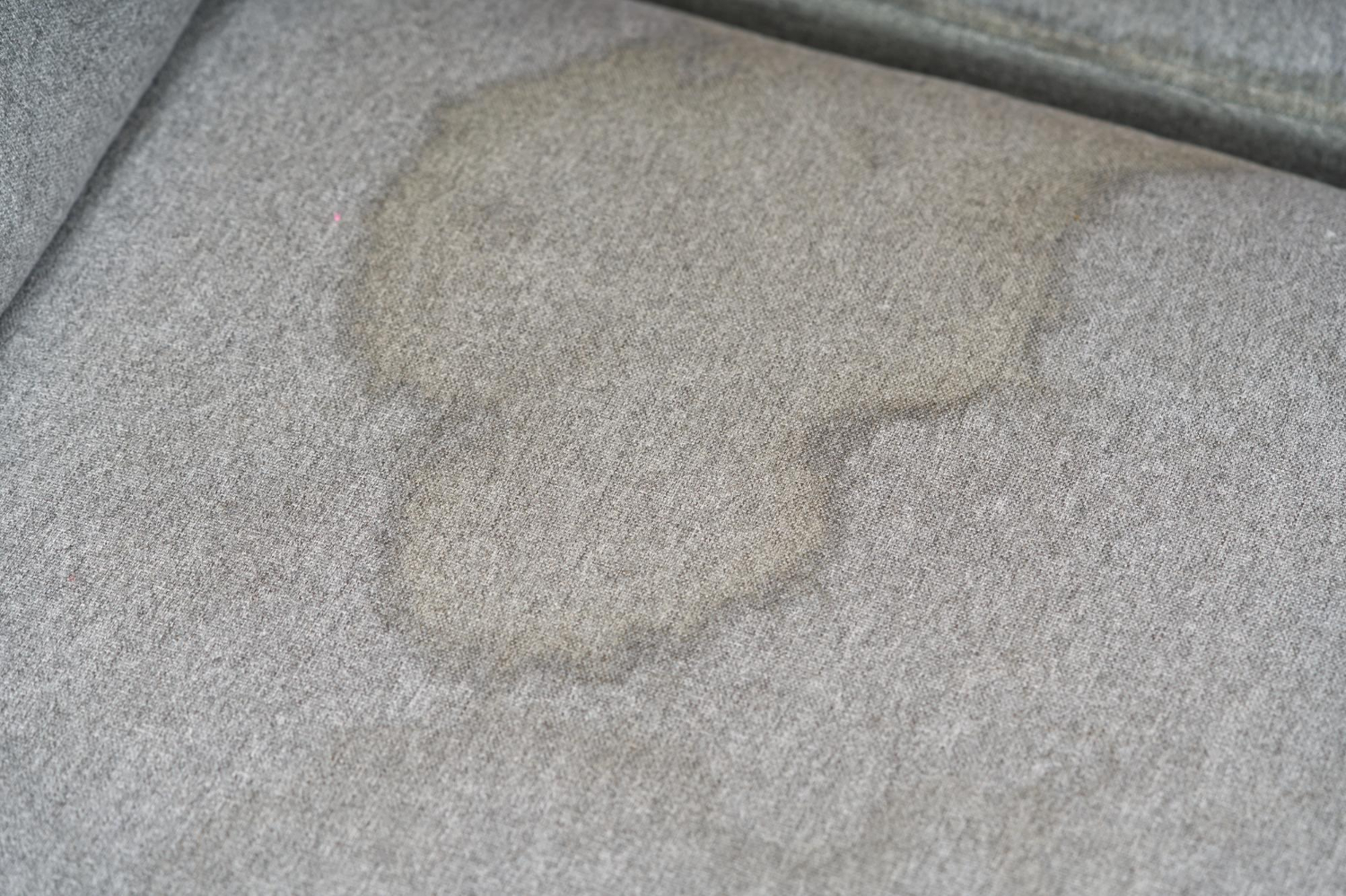
- Pollen is lightweight but sticky. It usually shows up as yellow dust and clings firmly to soft materials. You might see it in patches along armrests, or you might not notice it until it sets in longer and starts turning dull gray.
- Grass stains often appear on lower cushions, armrests, or the sides of chairs, spots where kids or pets lean after yard time. Like mud, it leaves a greenish tint that can grow darker over time.
- Food and drink spills tend to pick up in spring when routines loosen. From lemonade drops at lunch to chocolate fingerprints after school, these types of stains build fast during sunny afternoons when activities shift indoors and out.
Once these land on fabric, they aren’t easy to lift out without proper care. Quick dabbing or surface wipes usually make things worse if the wrong method is used.
How These Stains Affect Different Fabrics
Not all fabrics react the same way when stains show up. Even the same substance, like juice or dust, can behave differently depending on what the upholstery is made of. That matters when trying to clean without causing damage.
- Cotton and linen feel breathable and soft, which makes them comfortable but also means they pull liquid deep into the fibers. These materials tend to hold onto both color and smell. A grape juice stain can settle in quickly and linger behind even after it looks clean on the surface.
- Microfiber is more resistant to liquid but doesn’t stop stains altogether. Pollen or dust can get trapped beneath the surface, and without gentle handling, scrubbing tends to spread the mess or flatten the texture of the fabric.
- Velvet or suede needs extra caution. Spills on these surfaces often create dark patches or uneven tones that don’t go away with basic cleaning. Treating these wrong only highlights the spot, and pressure causes more harm than help.
Just knowing what your furniture is made out of can give a stronger sense of what kind of stain is likely to show and how fast it might settle. Some fabrics may only need surface care. Others may trap messes deep inside cushion layers.
There are even more factors that play into how stains embed in upholstery, and springtime habits often make them work their way in faster than expected. Fabrics like blends or synthetics can react somewhere between cotton and microfiber, holding on to stains from food and drinks, but sometimes letting dust sit only on the surface. When everyone is in and out of the house, it’s easy to overlook the places that collect the most grime.
Why Spring Is the Right Time to Deep Clean
We see more upholstery stains show up around May because outdoor habits grow fast, kids get more active, and everybody wants to shake off the chill of earlier months. Catching these stains now keeps them from turning permanent under warmer, summer weather.
- Heat tends to seal in whatever stain is already working its way through upholstery. If you give it until July, what might have been easily removed in May will likely soak in deeper.
- Spring already inspires fresh cleaning habits. As windows open and closets get reorganized, it’s a natural time to look at furniture too. Incorporating upholstery into that effort helps keep living areas feeling balanced and ready for more foot traffic.
- Starting early gives the furniture better odds at staying clean through summer schedules. Think about all the sleepovers, cookouts, or last-minute movie nights that end up with sticky fingers or sandy feet plopped on the couch.
Ignoring spring stains can also mean more effort later. The longer a spill or mess stays on a cushion, the more it dries out and sets into the fabric. When humidity rises or the temperature stays warm, it acts like a glue for that dirt or pollen. Family and friends spending more time together on weekends might also bump into cushions or move chairs, pressing particles deeper into the fibers. Taking care of one problem spot early can prevent an entire sofa or chair from needing a top-to-bottom cleaning.
Treating it now means we only need lighter touch-ups later. Waiting means working harder to remove stains that have already set in with seasonal heat and time.
Stain-Free Comfort Through the Season
Spring stains are quick to show up and slow to leave if they’re ignored too long. Knowing what to look for, pollen, grass marks, and spills, helps cut off the issue before it becomes a deep mess. And with all the running in and out this time of year, those messes tend to stack up fast.
Every fabric has its own quirks, and treating it with the right care makes all the difference. Upholstery cleaning now makes it easier to stay ahead of the buildup, especially before the long heat of summer really sets in. A clean space isn’t just more comfortable, it helps the whole season feel more manageable.
Comfort in spring means more than simply having a place to sit. A stain-free chair or sofa helps rooms feel welcoming, especially as you open windows or start spending more time with visitors. Those first warm weekends that bring everyone together can often leave behind hidden traces on your favorite seat. The sooner stains and dust are handled, the easier those summer gatherings become. Looking after upholstery while the weather is still changing helps keep your house – and your habits – a little cleaner as you move from season to season.
After a busy spring day, few things feel better than sinking into clean, fresh furniture. Everyday dirt and pollen might seem harmless at first, but these messes settle in quickly if they’re not cleaned the right way. With professional help, we can lift what’s buried deep in the fabric and make your furniture feel like new again. Our expert approach to upholstery cleaning removes stains and grime without damaging delicate materials. Contact Aladdins Carpet Cleaning to schedule your spring refresh today.