Spring can be unpredictable. Some days are bright and breezy, but others hit hard with heavy rain and leftover snowmelt. All that water has to go somewhere, and sometimes it sneaks into spots inside the home where it’s not supposed to be. When that happens, the damage can grow fast if we don’t act on it.
Even small leaks or wet patches may seem harmless at first. A damp carpet corner or a faint stain near the wall might not feel like a big deal. But those little signs are often the beginning of something that spreads quickly. This is where water damage restoration plays a big part, helping take care of problems early, before they cause lasting trouble.
The Hidden Signs of Water Damage
Some signs of water damage are easy to miss, especially when they’re not right in front of us. Water can hide deep in walls or underneath thick carpet padding. We may not notice the damage until there’s a smell or a soft spot we step on by accident.
Common early signs include:
- Paint bubbling or peeling from moisture inside the wall
- A musty odor that hangs around no matter how often we clean
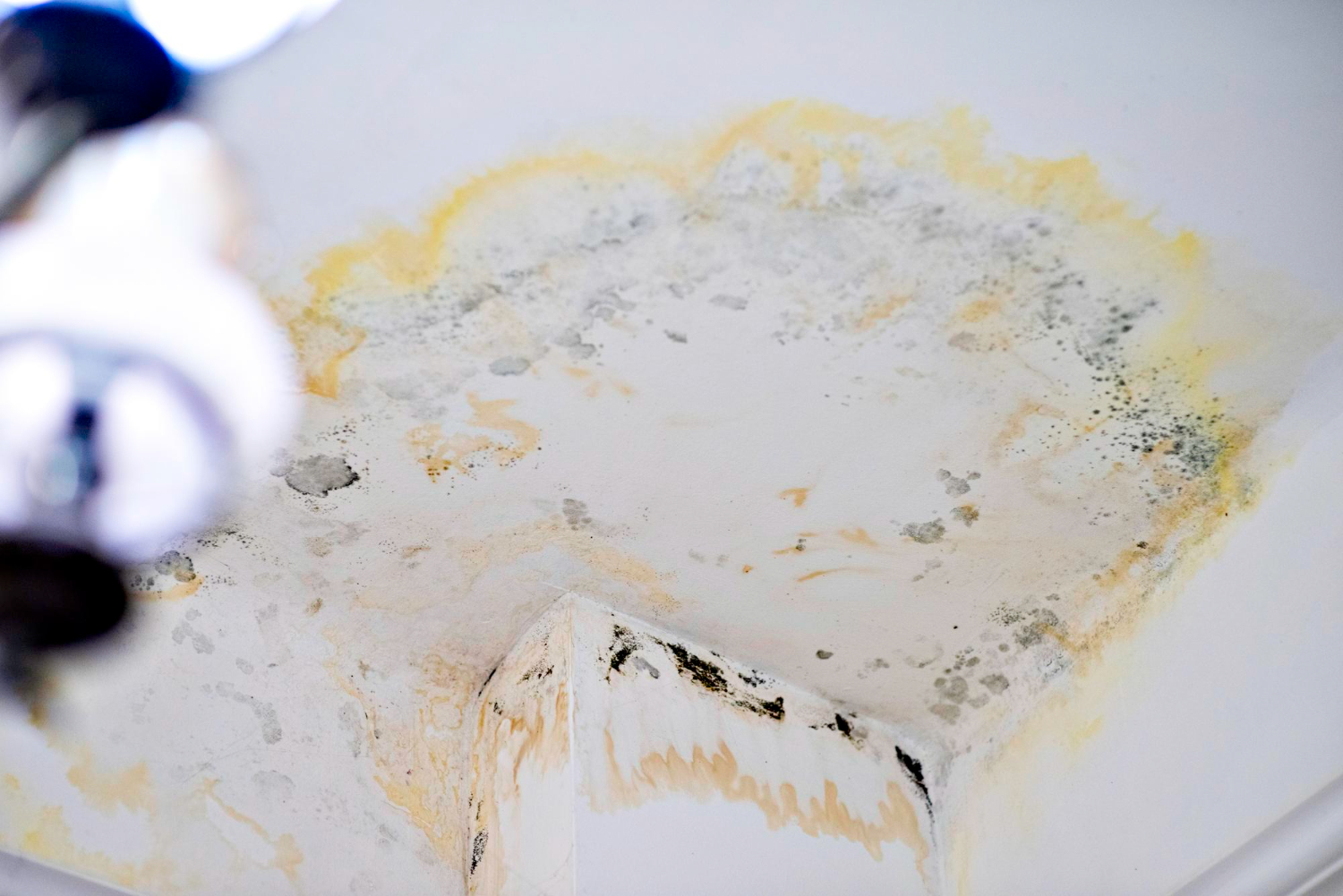
- Discolored patches that keep spreading, or new spots that appear out of nowhere
- Floors that feel spongy underfoot or doorframes starting to stick
These might seem small, but they usually mean water has found a way in. And if it’s not dealt with soon, it often spreads behind surfaces where we can’t see it.
How Water Damage Impacts Indoor Air and Surfaces
When moisture sits too long indoors, it creates an easy place for mold and mildew to grow. Springtime brings just the right mix of warmth and humidity to help it spread quickly. Carpets and drywall are especially good at trapping extra moisture, then holding onto it.
- Wet fibers and padding often hang onto smells that regular cleaning can’t get rid of
- Mold spores can float into the air, which lowers the overall indoor air quality
- Humid conditions make it harder for materials to dry on their own, especially if airflow is blocked
We’ve seen entire rooms change just from one sneaky leak that was missed in late March. It doesn’t take much water to shift the air and surfaces in a home, and those effects linger longer than most people expect.
The challenge grows if the source of water isn’t fixed, since moisture keeps seeping back in, week after week. Air fresheners or surface cleaners might mask things for a moment, but they do not address the layers beneath or the impact on your indoor environment. If the weather remains wet, these problems can quickly come back, or even get worse.
What Happens to Floors, Walls, and Furniture Over Time
When water damage isn’t treated early, it starts to wear down everything it touches. While the first signs might be hidden, the long-term changes usually end up causing more serious problems to major parts of the home.
- Wood floors begin to buckle or separate as moisture warps the boards
- Carpets lose their shape and softness as padding underneath starts to break down
- Drywall swells, becomes brittle, and may start to crumble or fall apart
- Upholstered furniture sitting on wet surfaces can absorb moisture and develop stains or mold
These changes don’t always happen overnight, but once they begin, they’re hard to stop without full cleanup. What could’ve been dried and saved early on often ends up needing to be fully replaced later.
Repeated exposure to water also weakens the structure of walls and floors. Appliances or cabinetry placed near wet spots may start to show wear, warping, or even mold. In addition, unfinished wood, baseboards, and trim can soak up moisture faster than you might expect. Over time, what started as a small stain can become part of a much larger repair.
When Unseen Damage Turns Into Long-Term Costs
One of the biggest issues with untreated water damage is what goes on behind the surface. By the time we spot visible damage, there’s often more going on underneath.
- Framework behind walls may become weaker from constant moisture exposure
- Mold can grow back quickly if areas aren’t fully dried and sanitized
- Carpet, wood, and drywall that stay wet too long often need to be torn out and rebuilt
Water damage restoration helps cut into those long-term costs by stopping the cycle before it settles deeper. The longer the wait, the more materials get damaged. That’s what makes fast action the smarter choice in spring when dampness is everywhere.
If you leave water sitting for days or weeks, it can add up in ways that aren’t obvious right away. Repairs go from a simple patch or carpet cleaning to tearing out entire sections for replacement. Getting ahead of the problem makes it easier to save your favorite chair, avoid a major construction project, or keep from losing valuable keepsakes stored near the floor.
Protecting Your Home from Spring’s Hidden Mess
When spring storms hit, getting water inside the house may not be avoidable. What we do next matters the most. Trying to dry things with fans or open windows won’t always get deep into the layers where moisture hides.
- Taking fast action keeps mold from taking hold and limits what needs repair
- Trained technicians check beneath carpet, behind baseboards, and inside walls to find all affected areas
- Full drying and cleanup help return the space to safe conditions without missed spots that can cause future problems
The goal isn’t just to clean what we can see. It’s to make sure the hidden parts have been taken care of, so nothing comes back worse later.
When you respond quickly, you help stop the cycle before it starts. Clean and dry materials are less likely to break down or grow mold. Making space for better airflow, moving wet items, and letting professionals look farther below the surface are small steps that help your home recover.
Why Waiting Makes Water Damage Worse
Mild water damage might seem like something we can overlook for a while, especially in spring when to-do lists are long. But water works quietly and quickly. A small stain one week can become a warped floorboard the next.
Ignoring the early signs is what makes small messes turn into expensive, long-term problems. That soft carpet spot or peeling paint might be the only sign we get before moisture spreads further. Acting fast with water damage restoration is the best way to protect what matters and keep our homes safe as we move deeper into the season.
Even for the smallest problem, it pays to act sooner instead of later. A careful, thorough response can help avoid greater costs and save the things that matter most to you. There’s peace of mind in knowing that nothing is trapped where you can’t see it, quietly doing harm to your space.
Water always finds the quietest places to hide, especially after heavy spring weather saturates the ground and seeps into corners of your home. That’s why we take swift action at the first signs of trouble, such as soft carpet patches or stubborn musty smells. Our team acts quickly to stop moisture from spreading and protect your indoor air quality. Noticing any warning signs? Schedule a full inspection and cleanup with Aladdins Carpet Cleaning and let us handle your water damage restoration needs.