When a house floods, life gets flipped upside down pretty fast. Whether it’s from a burst pipe or a heavy storm, water has a way of sneaking into every corner. And once that happens, time really matters. While it’s easy to focus on soaked furniture and damaged floors, one of the most serious problems can actually be the one you don’t see right away—mold.
Mold growth after a flood isn’t just an issue for your home’s appearance. It can also affect your health and make cleanup even harder down the road. It’s sneaky and starts forming pretty quickly if the right steps aren’t taken soon after the water clears. Learning what to do in those first few days can make a big difference. Whether you’ve dealt with flooding before or are just preparing for the what-ifs, knowing how to prevent mold can make your recovery smoother.
Immediate Steps to Take After a Flood
The first few hours after a flood are key. Water spreads fast and seeps into everything, from wood and carpet to drywall and furniture. It’s not just about getting things dry. It’s about stopping long-term damage and lowering the risk of mold before it even begins.
Here are the most important first steps to take:
1. Shut off electricity and water safely – If it hasn’t been done already, turn off power in affected areas. Water and electricity don’t mix. Use caution and avoid standing in water while doing this. If you can’t get to the main breaker safely, wait for a professional.
2. Get rid of standing water right away – Whether you use buckets, a wet vac, or call for help, the goal is to eliminate as much water as possible as quickly as possible. Standing water gives mold the perfect place to start growing.
3. Open windows and doors – Airflow helps speed up drying. If weather allows, open everything up to let moisture out and fresh air in. Good ventilation also keeps that stale, musty smell from setting in.
4. Take out soaked items – Rugs, cushions, curtains, and even furniture can hold in moisture. Move them outside to dry or discard them if they’re too damaged. Leaving them inside only slows down the drying process and increases the chances of mold growing.
Reacting quickly after water enters your home helps limit damage and gives you a better shot at stopping mold from becoming a bigger issue. It’s not about doing everything perfectly right away. It’s about doing what you can, as fast as you can, to stop the spread of moisture.
How to Dry Out Affected Areas
Once the biggest puddles are gone, it’s time to focus on drying things out fully. This stage takes a bit more time and patience, but it’s one of the most important parts of mold prevention.
Start by setting up fans throughout the flooded area. Fans pull in dry air and move out the damp air. Try pointing them toward open windows and doorways to help direct airflow where it’s needed most. If you have access to a dehumidifier, now’s the time to use it. It will pull that heavy moisture out of the air, making the environment less mold-friendly.
Next, look down. Carpets and padding underneath often stay wet even when the surface feels dry. If you leave them in place, it’s like inviting mold to take hold out of sight. Pull up and remove any soaked carpets, padding, or rugs. That also goes for any furniture that’s been sitting on a wet surface. Flip it over, dry the base, and don’t put things back until the area is fully dry.
What many people forget is to keep checking for damp spots. Use your hands to feel walls, floors, and furniture surfaces. If you have a moisture meter, that’s even better, but even without one, pay attention to corners, behind curtains, and along baseboards. These spots don’t get as much airflow and take longer to dry.
Sometimes it helps to focus on one room at a time. For example, if your family room was the hardest hit, set up fans and check progress there before moving on to other areas. Taking it step by step helps keep things from getting overwhelming and ensures no corners are skipped. The more careful and steady the drying process, the better chance you have at preventing mold before it has a chance to grow.
Cleaning and Disinfecting to Prevent Mold
Once everything is dry to the touch, it’s time to clean. Just because the water’s gone doesn’t mean the surfaces are safe. Floodwater can carry all kinds of dirt and bacteria, and it leaves behind moisture even in hard-to-see places. That’s where mold loves to hide and grow.
Start with hard surfaces like tile, countertops, baseboards, and wood floors. Use a cleaner that breaks through grime and not just a quick wipe. After scrubbing, go over everything with a disinfectant. This step matters more than it might seem. Cleaning removes debris. Disinfecting helps kill leftover organisms that could trigger mold growth or bad odors later.
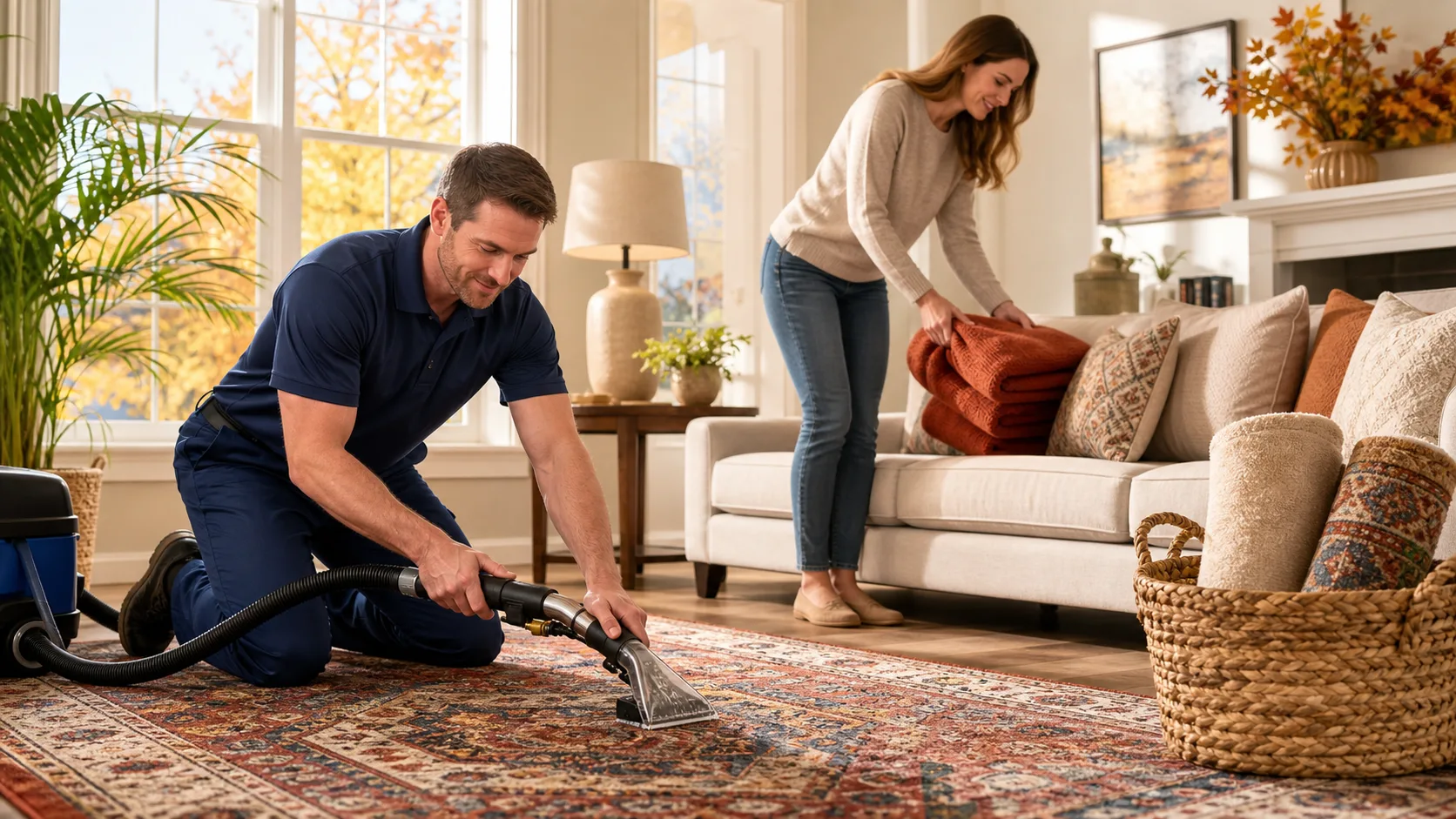
Soft surfaces like fabric furniture, curtains, or bedspreads need a different approach. If they weren’t deeply soaked, a good steam clean might be enough. But if they sat in water for too long, they may need to be removed completely. Mold can settle deep into cushions and layers where normal cleaning can’t reach. You don’t want to take shortcuts here. Sometimes, replacing an item is safer than keeping it and risking lingering problems.
Hidden areas should get just as much attention:
– Check under vinyl or hardwood flooring for moisture
– Look behind baseboards and drywall
– Inspect HVAC vents in the affected rooms
An overlooked dark corner can end up causing damage weeks later, even after most of the house seems fine. Don’t rush through cleanup thinking all is well just because the floors feel dry. In one case we handled, a homeowner thought their spare bedroom was all clear after a minor leak. Two months later, mold had crept up the back of a bookcase and into the wall behind it. Every surface counts, even the quiet ones.
Long-Term Mold Prevention Tips That Work
Once you’ve finished the cleanup, you don’t want to go through this mess again. Keeping mold from coming back is easier when the space is dry and well-maintained. That means checking up on your home even when everything seems fine.
Here are a few tips that can help reduce your chances of mold returning:
1. Inspect regularly – Focus on spots that stay damp longer or have limited airflow, like crawlspaces, basements, laundry rooms, and closets. Keep an eye out for any musty smells or discoloration.
2. Use mold-resistant materials – If you’re replacing drywall, insulation, or flooring, ask about mold-resistant options. These help avoid future problems, especially in rooms that are prone to moisture.
3. Improve ventilation – Install or upgrade fans in bathrooms, laundry rooms, and kitchens. If your AC system has air filters or ducts that got wet during the flood, have those inspected and cleaned out properly.
4. Keep indoor humidity in check – Invest in a humidity monitor. Ideally, indoor levels should stay around 30 to 50 percent. If it’s too high, use dehumidifiers where needed.
5. Book regular inspections – After water damage, it’s smart to let a professional take a close look, even if everything looks fine on the outside. Some of the worst mold problems happen behind walls, under floors, or inside HVAC systems.
Preventing mold isn’t something you do once and forget. It works best when added into your usual home maintenance checklist. The effort saves money, time, and headaches later on, especially if your area is prone to heavy rain, high humidity, or older plumbing.
Keep Your Home Safe from Mold
Mold doesn’t need much to take root. Just a little bit of leftover moisture and some forgotten space are enough. The faster you tackle water damage and treat each area carefully, the better chance you have of keeping your home safe, healthy, and mold-free.
Take your time with the drying, cleaning, and follow-up steps. They’re worth every bit of effort. And when you’re unsure where to start or suspect something was missed, it’s always better to call someone who’s dealt with it hundreds of times before. Having the right help can spare you from dealing with the same problems all over again.
For a thorough and stress-free way to manage the aftermath of a flood, let our team help with restoration after water damage to protect your home and prevent future mold issues. At Aladdins Carpet Cleaning, we’re here to restore your space quickly and safely so you can get back to normal with confidence.