If you’ve got young kids at home, chances are your furniture has seen a fair amount of creativity. One minute they’re coloring quietly in the corner, and the next minute your beige sofa has stripes of blue marker or a crayon masterpiece. While it seems like a small mess at first, these stains have a way of settling in deep, especially if not tackled right away. Before you know it, those colorful smudges start to feel permanent.
Upholstery tends to draw in color from things like crayons and markers more than you’d expect. Fabric fibers soak in pigments quickly and unevenly, making them harder to clean without damaging the material. But don’t stress. These are common stains with solutions that work. A few simple steps and the right cleaning method can get your fabric back to looking clean and feeling like home again.
Why Crayon And Marker Stains Happen
Let’s face it—kids love drawing, and they don’t always stick to paper. Upholstery often becomes a canvas simply because it’s nearby. Whether it’s a fabric couch, armchair, or ottoman, once that crayon or marker hits, the color grabs onto the material fast.
Here’s why the stains stick around:
– Crayons are wax-based, so they leave behind both color and a sticky residue that clings to fabric.
– Markers—especially permanent ones—sink ink deep into fiber layers, which means the stain is underneath the surface too.
– Many upholstery fabrics have a textured weave that traps color below what you can see, making basic spot cleaning less effective.
The tricky part is that furniture isn’t made with stain-fighting in mind. You can’t simply scrub away without risking fraying or color loss. And unlike clothes, you can’t toss a sofa cushion into the wash and call it a day. That’s why understanding what makes these stains so stubborn is the first step in knowing how to properly treat them without making the damage worse.
Immediate Steps To Take When A Stain Occurs
Acting fast can be the difference between a light mark and a long-term stain. Even if you don’t have the perfect cleaning tools on hand, what you do in the first few minutes can help reduce how deep the stain sets.
Follow these steps as soon as you spot the stain:
1. Blot the area gently with a dry cloth or paper towel. Do not rub. Rubbing can cause the color to spread or sink deeper into the fabric.
2. If it’s crayon, place a few ice cubes in a bag and let it sit on the stain to help harden the wax. Then gently scrape off any buildup using a dull tool like a spoon.
3. For marker stains, blot with a damp cloth and try to lift what you can without pushing it into the fabric.
4. Leave the stained area exposed to air and light airflow. Avoid piling up cushions or covering it with blankets right away.
5. Don’t grab random cleaning sprays from under the sink, especially if they aren’t meant for fabric. The wrong cleaner could make a stain set or damage the dye of your upholstery.
If the stain is fresh, handling it right away keeps it from spreading or settling deeper than necessary. Even if everything doesn’t come out at once, reducing the impact early on helps make the full cleaning process smoother later.
Methods For Removing Crayon Stains
Crayon stains can be some of the messiest to deal with, not just because of the color, but also because of the wax base. That wax clings to fabric like glue and spreads if you’re not careful. The trick is to break it down gently without letting it soak deeper into the upholstery.
Here’s how to tackle crayon stains step-by-step:
1. First, scrape off any thick wax. Use a dull knife or the edge of a credit card. Avoid anything sharp that could scratch or tear the fabric.
2. Place a few paper towels or a brown paper bag directly over the stain. Then, using a warm (not hot) iron, press gently on top of the paper. The heat should help transfer some of the wax onto the paper.
3. Use a small amount of mild dish soap mixed with warm water and blot the area using a clean cloth. Start from the edges of the stain and work toward the center so it doesn’t spread.
4. Rinse the spot by dabbing with plain water. Avoid pouring water directly onto the fabric.
5. Let the area air dry. You can point a fan at it to help speed things up.
If the crayon color lingers, repeating this process can help. Just don’t scrub aggressively or soak the fabric. Softer cloths and slower movement go a long way in keeping your furniture safe during this kind of cleaning of upholstery.
How To Handle Marker Stains Without Causing Damage
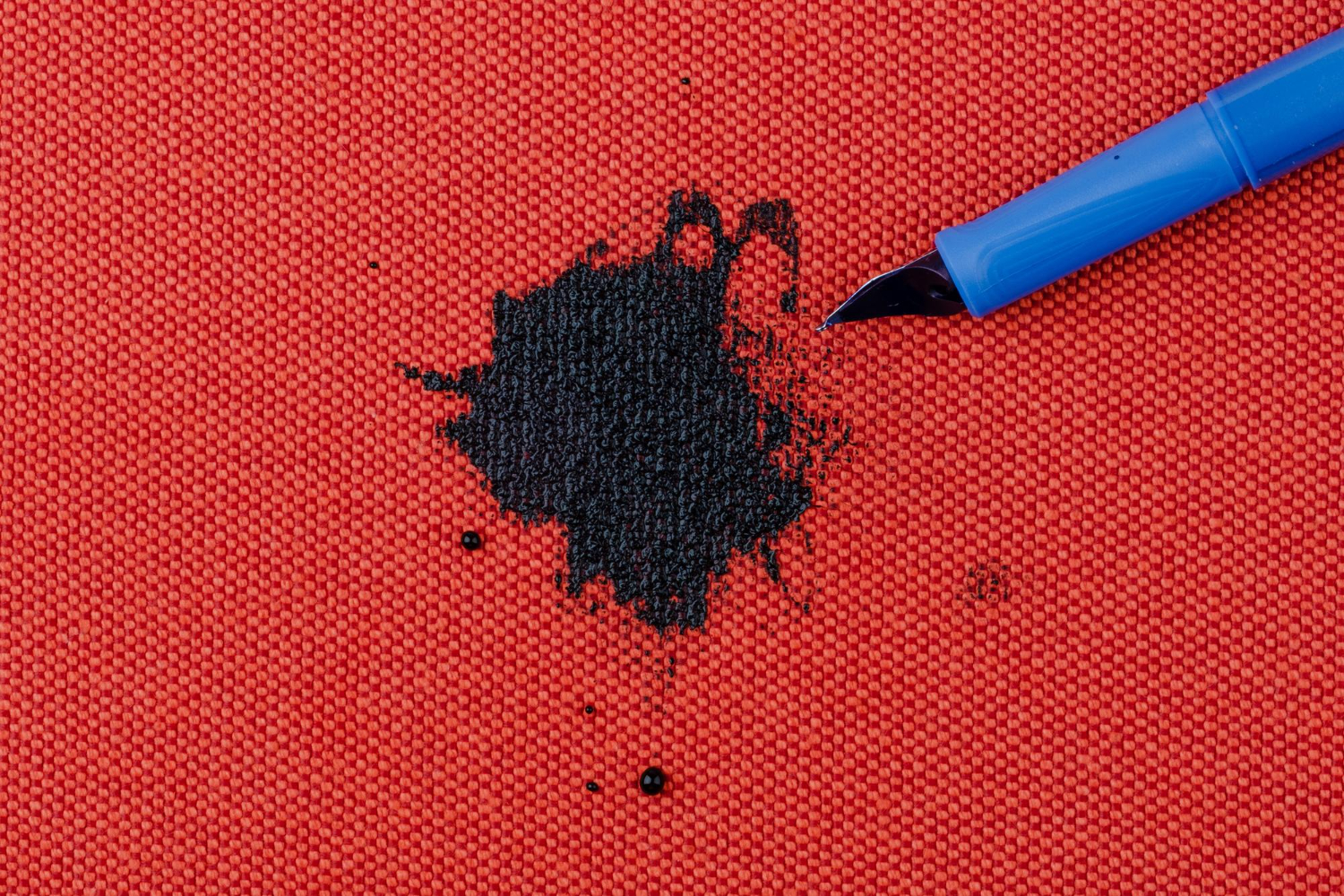
Marker stains feel like a different kind of problem altogether. While crayons sit on the surface, ink from markers tends to bleed down and spread. Permanent markers are especially difficult, since they’re designed to stick to a lot of surfaces—even the ones you don’t want them on.
The goal here is to lift the ink gradually without letting it travel further into the upholstery. Here’s a practical way to manage that:
– Start by blotting the area gently with a clean, dry cloth.
– Dampen a soft cloth with rubbing alcohol (test the fabric in an unnoticeable area first).
– Dab the stain slowly. Don’t scrub. Let the alcohol work on the ink.
– Blot again with a dry cloth to soak up the lifted ink.
– Use a small amount of cool water with a drop of mild detergent to clean what’s left.
– Rinse with plain damp water and let the fabric air dry completely.
Don’t mix cleaning solutions during this process. Doing so can create a mess or damage the fabric fibers. Also, skipping the patch test could leave a faded spot that’s harder to fix than the stain itself. With the right care, even marker stains can come out without leaving a trace.
Easy Preventative Tips To Avoid Future Stains
Keeping your upholstery clean gets easier when you’re ahead of the stains. While you can’t stop kids from coloring, you can lower the chance of a disaster happening to your couch.
Use these simple tips to protect your fabric:
– Keep arts and crafts areas separate from upholstered furniture.
– Use throw covers or blankets that are easy to wash, especially during playtime.
– Set rules for coloring time and encourage kids to use washable brands of crayons and markers.
– Vacuum your upholstered items often. Dust and crumbs can trap moisture and color, making stains worse.
– Set a routine for gentle upholstery cleaning to catch spots early.
One small example is adding a folding table for crafts in the corner of your living room. It gives kids their creative space while keeping the sofa safe. It doesn’t have to cost a lot or take up much room, but it helps set boundaries for art time.
When you’re keeping up with a routine, upholstery lasts longer and looks better. Prevention goes a long way in avoiding the stress of having to clean a deep stain later.
When Cleaning Just Isn’t Enough
Sometimes a stain sticks around no matter how fast you act or how carefully you treat it. Wax can melt deeper into fabric layers, and ink can leave a ghost mark that’s tricky to remove completely. There comes a point where scrubbing more does more harm than good and can lead to fading or damage.
That’s when a professional touch really matters. What seems like a small spot to the eye may require deeper cleaning to fully remove the problem. Knowing when to stop and call for help can save both your furniture and your time. It’s not about giving up. It’s about doing what’s best for the long-term care of your home. With the right tools and experience, properly trained cleaners can freshen up your upholstery, even after the toughest messes.
Choosing the right approach helps keep your space comfortable and your furniture in good shape. A little knowledge goes a long way, especially when it helps you avoid permanent stains and costly replacements.
With all these tips at your fingertips, maintaining clean and beautiful upholstery is within reach. But when persistent stains need a bit more than home remedies, it’s worth considering expert help. Discover how our professional services at Aladdins Carpet Cleaning can make a difference by offering thorough cleaning of upholstery, ensuring your furniture stays fresh and free of any stubborn marks.