Grout might not be the first thing you notice when you look at a tile surface, but it plays a big role in keeping everything together. It seals the space between tiles, blocks out moisture, and adds that finished look to tile floors or walls. When it’s in good shape, your tiled surfaces stay strong and clean-looking. But when grout starts to crumble, everything around it can fall out of balance quickly.
Crumbling grout can lead to loose tiles, water damage, and even mold. Many homeowners miss the early warning signs, thinking it’s just normal wear. But if it’s left unchecked, what starts out as a small crack can turn into a mess that’s much harder and more expensive to fix later on. Knowing what to look for can help prevent bigger issues down the road.
Warning Signs of Crumbling Grout
Grout doesn’t just fall apart overnight. It gives you some hints along the way. But those signs can be easy to ignore if you’re not sure what to look for. Recognizing the early warning signs can save you a lot of time and trouble.
Here are common indicators that your grout may be breaking down:
1. Visible Cracks and Gaps
This is usually the first red flag. If the grout between your tiles looks cracked or chunks are missing, that’s a clear sign of deterioration. It might just be a small line at first, but cracks tend to spread quickly once they show up. Don’t wait until you see pieces collecting on the floor.
2. Discoloration or Powdery Texture
Grout that starts to look chalky, faded, or powdery is often weakening beneath the surface. It may seem like a change in color from regular wear, but what’s really happening is the breakdown of the bonding materials inside the grout.
3. Loose or Moving Tiles
If a tile shifts under your foot or feels bouncy, there’s a good chance the grout underneath lost its grip. This causes instability in the tile surface and can let water in. It’s more than a nuisance. The longer you leave shaky tiles alone, the deeper the damage can spread under the surface.
4. Crumbling Along Edges
You might notice bits of grout collecting along the baseboards, especially in bathrooms or kitchens. Crumbling edges are often a sign of moisture damage or old grout becoming brittle with age.
5. Musty Odors from Tiled Areas
If you sense a damp, musty smell near your tiled surfaces even when everything looks clean, it could mean water has slipped behind the tiles through damaged grout. That often means mold has started growing behind the scenes.
Spotting these issues early helps you get ahead before they grow into bigger problems. You don’t have to wait until your tile starts falling off or sections feel soft under your feet. Watching for these warning signs is a big step in keeping your tile looking good and lasting longer.
Causes of Grout Deterioration
Grout isn’t indestructible. Over time, everyday use and certain cleaning habits can lead to wear and tear that causes it to crumble. Understanding what weakens grout will help you lower the chances of running into damage again and again.
Here are a few of the most common culprits behind grout breakdown:
– Excess Moisture
Grout is porous, meaning water can seep in. Humid environments like showers speed up damage, especially if the grout wasn’t sealed properly. Constant water exposure softens the bonds and eventually breaks them down.
– Poor Installation
If the original grout job used the wrong type of grout, didn’t allow proper curing time, or skipped the sealing step, it’s more likely to fail sooner. Even small mistakes during installation can lead to big problems later.
– Aggressive Cleaners
Strong chemicals can feel like the best option after a tough mess, but harsh products slowly eat away at grout. Over-scrubbing and acidic cleaners can wear down the surface layer and weaken the structure underneath.
– Shifts in the Surface
If the tiles or subfloor shift even slightly due to changes in humidity, a shifting foundation, or frequent heavy traffic, it puts stress on the grout joints. This can split the grout over time, even if everything looks fine on the surface.
– Age
Like paint or caulk, grout breaks down with age. It starts to dry out, shrink, and crack naturally, especially in older homes where tiled surfaces were installed decades ago.
Keeping watch over the condition of your tile and how you maintain it can add years to the life of your grout. Preventing damage starts with knowing the causes, and sometimes it’s just a matter of making small changes to the way you clean and care for your surfaces.
Preventative Measures for Healthy Grout
Most grout damage builds slowly over time. The best way to avoid crumbling grout is by keeping your tiled areas clean, dry, and inspected. A little upkeep can stretch the lifespan of your grout, helping it stay strong and keep your tiles in place.
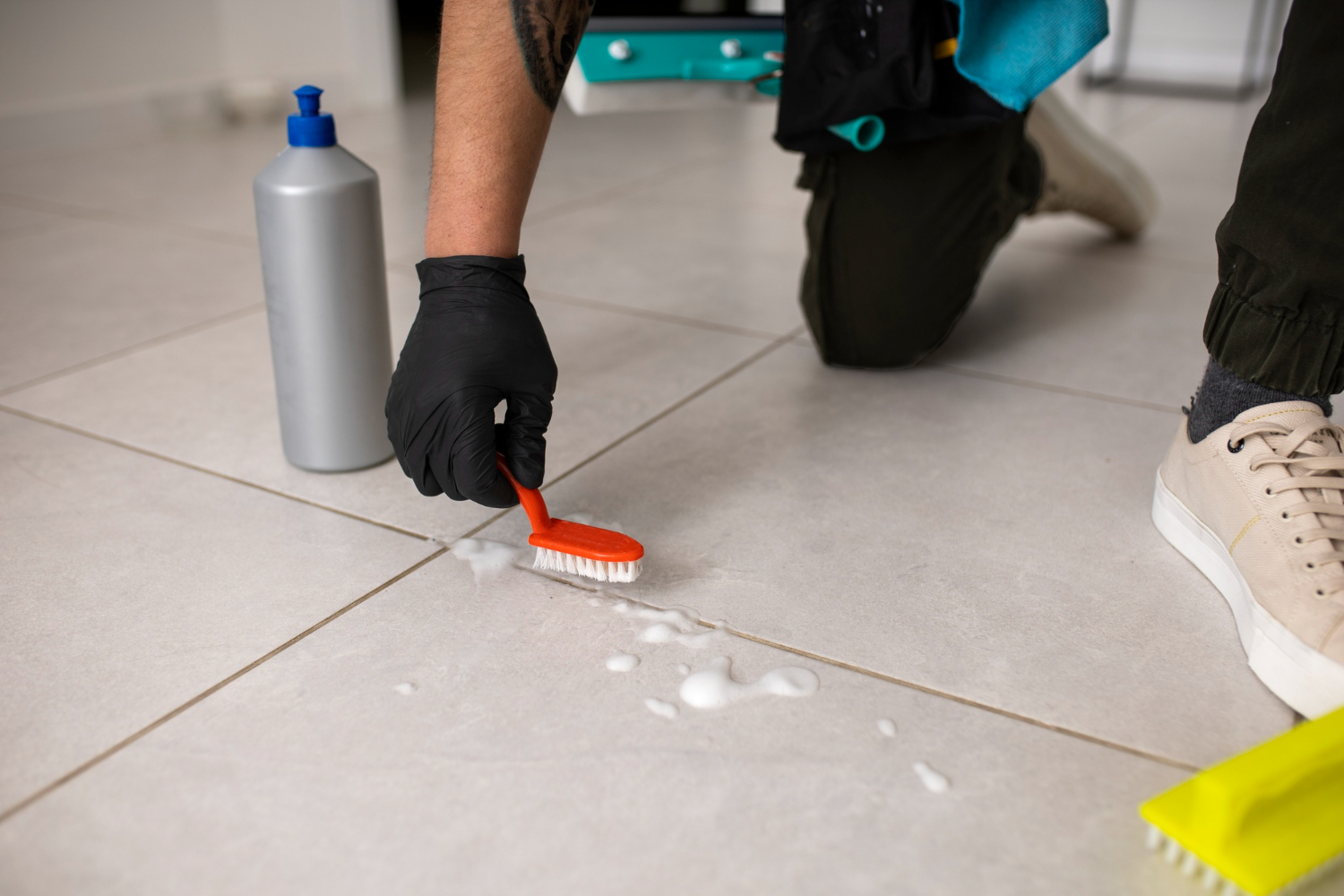
Start with regular cleaning. Use a soft brush and a mild cleaner that won’t break down the materials in the grout. Avoid bleach or harsh chemicals. Go with soap and water or a cleaner made for tile and grout. You don’t need to scrub hard. Just enough to lift off dirt and grime without damaging the surface.
Next, sealing is a step many people forget. Sealer acts like a barrier that keeps water and dirt from soaking into the grout. Most types of grout should be sealed once or twice a year. You’ll know it’s time when water no longer beads up on the grout surface. Unsealed grout is much more likely to weaken fast.
Keep a habit of checking your grout every month or so. You don’t need to test every inch, but spot-check in areas that get wet often. Look at corners, edges, and spots around toilets, tubs, and kitchen sinks. Catching small cracks or spotting color changes early can help you take care of them before bigger problems set in.
Here’s a quick breakdown to help you stay on top of grout care:
– Clean monthly using gentle products and tools
– Rinse off any cleaner thoroughly with warm water and dry the area
– Reapply a grout sealer every 6 to 12 months
– Make a simple checklist to look for changes in grout color, surface cracks, or loose tiles
– Wipe down tiled areas in wet zones like showers or backsplashes to keep moisture from settling in
Even though it only takes a few minutes every so often, these steps go a long way in protecting your tiled surfaces. Keeping grout healthy isn’t complicated, it just requires a little bit of attention now and then.
Effects of Ignoring Grout Problems
Letting grout problems slide can open the door to some serious trouble. What starts as a few cracks can quickly grow into repairs you weren’t planning for. Ignoring worn or crumbling grout can affect more than just how your tile looks.
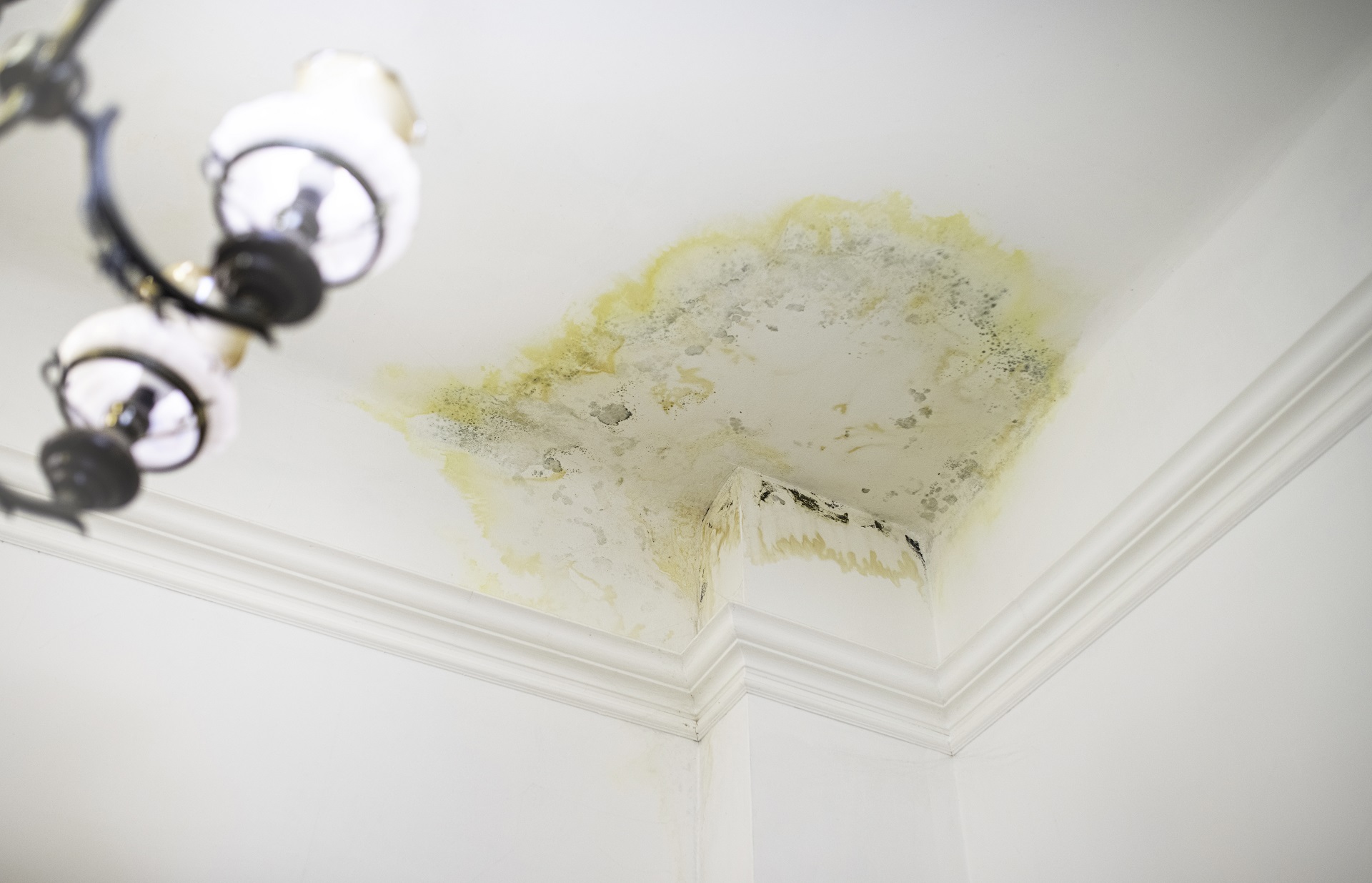
One of the first problems you’ll run into is moisture getting through. Grout helps keep water out of places it doesn’t belong. When it’s damaged, water can slip behind the tile and sit where it can’t dry. Over time that leads to mildew, mold, and sometimes even rotting underneath. If tiles are on a drywall surface or subfloor, the damage spreads deeper.
Then there’s the matter of tile shifting. When tiles lose support due to broken grout, they may slide out of place or lift when you step on them. That movement wears away the surface underneath and can cause tiles to crack. Replacing loose or cracked tiles adds up much quicker than fixing some bad grout early on.
Not to mention the safety risk. Loose tiles in walkways or damp floors from compromised grout can easily lead to slips or injuries. For families with kids or older adults, that’s not a risk worth taking.
Over time, neglecting grout can also lower your home’s value. During home inspections or resale, poorly maintained grout can signal bigger maintenance issues. Just like worn-out carpet or peeling paint, damaged grout gives a space a tired look even if the rest of the room is clean.
Think of it like ignoring squeaky brakes on a car. The longer you pretend it’s not a problem, the worse things can get and the more it will cost to fix. Taking action early is always the better path.
Say Goodbye to Grout Woes with Professional Help
When grout starts to crumble, quick clean-ups often won’t cut it. Professional cleaning of grout can make all the difference. Experts know how to get in deep and remove buildup that everyday cleaning can miss. They also have tools and methods that help restore the surface without causing damage.
By hiring professionals, you skip the guesswork. You don’t have to sort through all the different products or figure out how to fix crumbling pieces without making it worse. A good cleaning doesn’t just make things look better on the surface, it can help extend the life of your tiles and hold everything together underneath.
Whether your grout’s just looking a little rough or already starting to break apart, professional cleaning brings fresh life to tired tile. It helps reset things before lasting damage takes over and gives you peace of mind that nothing’s hiding below that could grow into structural damage or messy mold. You’ll save yourself time, frustration, and money in the long run.
Keep your tiles looking fresh and well-maintained by addressing crumbling grout issues early on. At Aladdins Carpet Cleaning, we specialize in professional cleaning of grout that helps protect your home from moisture damage and tile instability. Don’t wait for small problems to grow—get the expert help your home deserves today.