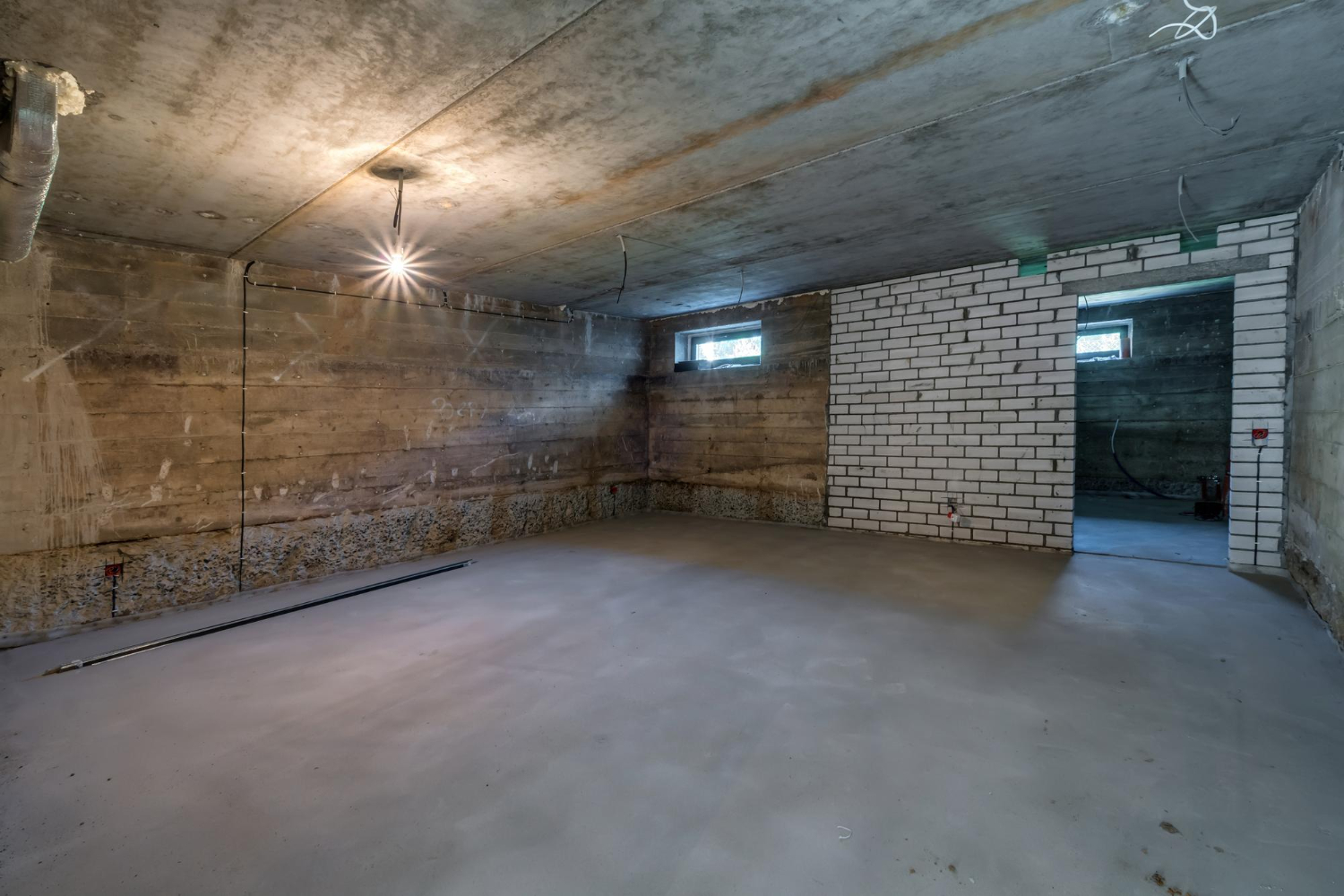
Summer storms bring more than just booming skies and fast-moving clouds. When those heavy rains fall, basements often pay the price. The flooring on that lower level takes a beating, especially when water finds its way inside and soaks in.
Between leaks, pooling groundwater, and unexpected flooding, basement floors can go from dry to damaged in a matter of hours. And it’s not always easy to spot the damage right away. Water doesn’t just sit on the surface. It gets down between floorboards, under carpet pads, and deep into the subfloor. That’s when real trouble starts. Acting fast is how we keep that kind of water damage from spreading and turning into costly repairs later on.
How Summer Storms Bring Water into the Basement
Even a short summer storm can fill a basement with more water than most people realize. Rooflines and downspouts direct rain off the house, but when they can’t keep up, that water finds the next easiest path, and sometimes, that’s through the foundation.
- Rain collects around the foundation and presses against cracks or weak points in basement walls. If there’s any gap, water slips through.
- Gutters left full of leaves or debris stop doing their job. Instead of sending rain away, they overflow and drip straight down next to the house. From there, it only takes a little pressure for water to seep inside.
- Power outages during storms often knock out sump pumps. Without power, water won’t drain, and basements can fill up quickly if groundwater rises enough.
Some homes flood just once. In many cases, once water has found a way in, it tends to come back every time it rains.
The Types of Floors That Suffer Most from Storm Flooding
Basement floors come in all types, but most of them don’t handle water well. When moisture gets into the flooring, even materials that seem tough can end up damaged.
- Carpet hangs onto moisture longer than you’d expect. The pad underneath traps water, and if it’s not dried right away, it can start to smell within a day or two.
- Laminate and hardwood flooring soak up water quickly. Once that happens, the planks expand. You might notice them lifting, shifting, or separating along the seams.
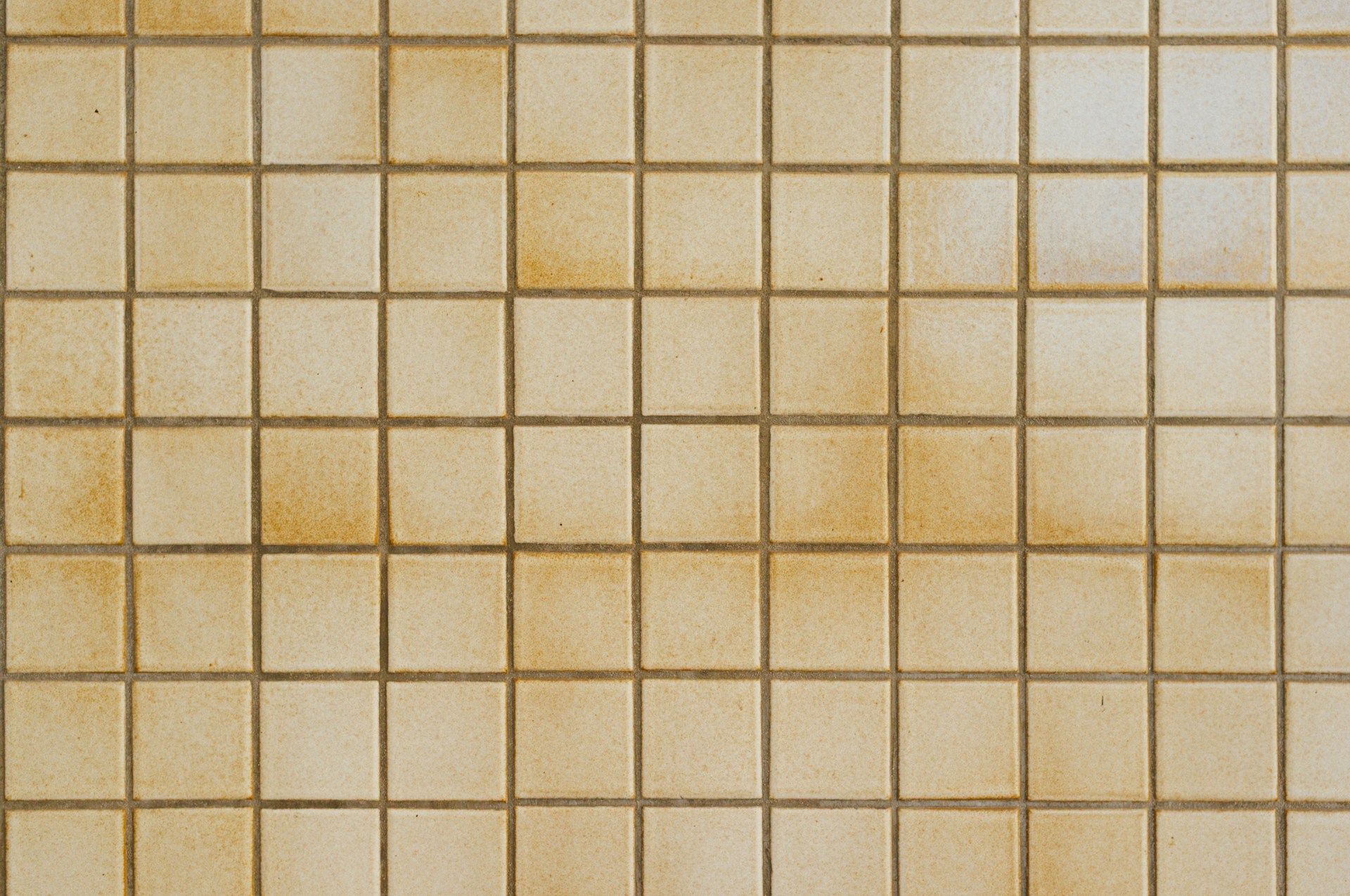
- Tile feels solid, and it’s often the first choice for wet areas. But tile doesn’t protect the floor entirely. Water still seeps through grout lines or cracks and reaches whatever is underneath.
When damage is visible on the surface, it usually means there’s more happening below. Deep layers are a lot harder to dry out without the right kind of help.
According to our flood damage restoration service page, Aladdins Carpet Cleaning removes both standing water and moisture trapped beneath carpet, laminate, wood, or tile, using dehumidifiers and extraction techniques to keep damage from spreading into subfloors.
Signs That Basement Flooring Is Damaged
Water damage can hide for a while. But if we know what to look for, we can catch it before it spreads too far.
- A musty smell or humid air shows something’s damp and hasn’t dried properly.
- Floors with bubbles, wavy areas, or lifting edges often signal deeper water problems.
- Spots of mold on baseboards or in the cracks between tiles mean moisture has been stuck there for too long.
Sometimes we see dark stains that weren’t there before. Sometimes floorboards move slightly or feel soft when walked on. These kinds of changes may not feel like a big deal right away, but they tend to get worse fast, especially with summer heat making damp areas even warmer.
Why Quick Action Matters More Than You Think
Waiting to deal with wet floors can make things a lot harder. The longer we give moisture time to move through layers, the more damage it does, and it doesn’t take much time at all.
- Moisture that lingers keeps working downward. It weakens adhesive, warps materials, and can reach walls or furniture sitting nearby.
- Warm, sticky summer weather creates the perfect condition for mold and mildew to grow fast.
- Water damage restoration isn’t just about drying the surface. It reaches deeper to pull moisture out of places we can’t see, then treats areas to help block further damage.
Stopping the issue early means cutting off the path before it spreads. Otherwise, problems that started from one summer storm could still be causing trouble into fall.
Our website notes that we use non-toxic treatments during water damage restoration to not only dry flooring but also reduce allergens, residue, and mold risk after a basement flood.
Longer-Term Impacts if You Don’t Fix the Problem
Ignoring minor damage can lead to a bigger mess down the road. What seemed like a few wet spots or a bit of discoloration now might cost a full floor replacement later.
- Some flooring gets ruined past the point of repair. Once the core structure breaks down or warps too far, it can’t be straightened back out.
- Hidden moisture stays trapped under certain floor types for weeks. During that time, the air in the house can get worse. You might notice extra dust, more sneezing, or just stale, sticky indoor air.
- Swollen or shifting floors often end up uneven, with soft spots or cracking at the corners. These aren’t just inconvenient, they can actually be unsafe if left alone long enough.
When we spot and solve moisture problems early, we give ourselves a better chance of saving the floors instead of replacing them entirely.
Keeping Floors Solid After the Storm
The weather warms up, and so do the chances of fast storms. Heavy rain in summer may seem short-lived, but the damage it leaves behind isn’t always quick to fade. Basements sit lower than the rest of the house, which means they collect more water, and whatever flooring is down there feels every last drop.
- Carpet, wood, and tile all respond differently to flooding, but none of them like sitting wet.
- Knowing what storm water can do helps us keep an eye on trouble signs and act early.
- Spotting issues soon after a flood, and using smart cleanup steps, helps us hold onto the flooring we already have.
Basement floors don’t have to stay damp or fall apart every time summer storms roll through. When we treat water damage as something to fix now, not later, we make our floors last longer and our indoor air feel fresher, all season long.
Don’t wait for water damage in your basement to get worse as summer heat can quickly worsen the problem beneath carpet, tile, or wood. Our approach to water damage restoration pulls out moisture before it leads to costly repairs. We determine the best solution for your floors based on the depth and duration of the water. Contact Aladdins Carpet Cleaning to schedule help before the next rain.