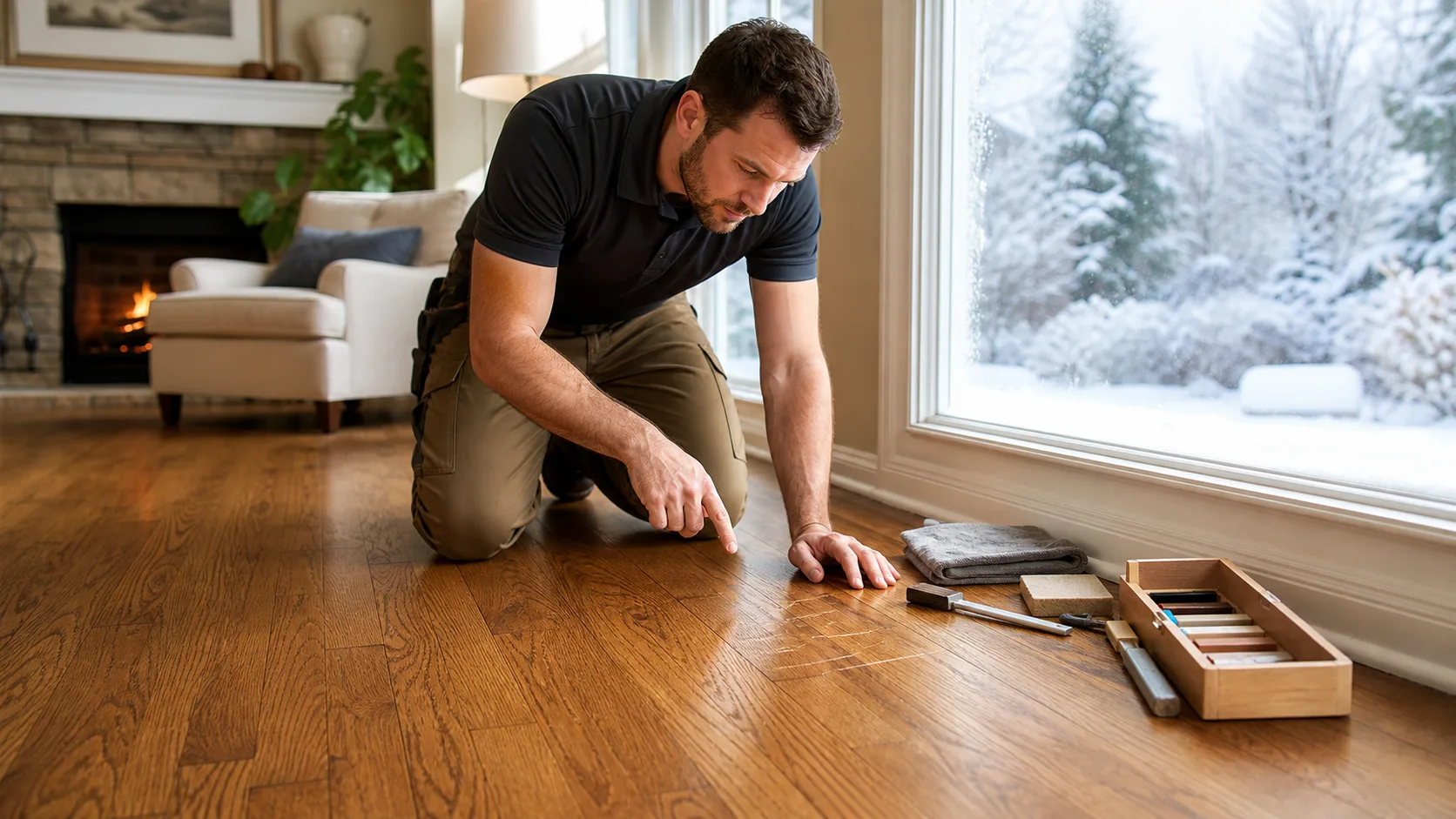
Water damage isn’t always as obvious as a dripping ceiling or a wide puddle on the floor. It can sneak in slowly and steadily, hiding behind walls or discoloring spots that you overlook in your daily routine. When left alone, even small leaks or damp spots can cause bigger problems down the line. Mold can start to grow, wood can start to rot, and structural repairs can become more expensive the longer things go unnoticed.
The key is catching those hidden signs early. Knowing what to look for can make the difference between a simple fix and a major repair project. Your ceiling and walls are often the first to show signs, but they don’t always tell the full story plainly. If you learn what changes matter and what signs tend to signal trouble, you can stop water from taking hold where it doesn’t belong.
Common Hidden Signs of Water Damage
Most people don’t connect small changes in their home’s appearance with water damage right away. But little things like shifting paint or an odd smell can mean moisture is building up behind the scenes.
Here are some signs to keep an eye on:
– Stains and discoloration: One of the most common clues is brown, yellow, or rust-colored spots on your ceiling or upper walls. These can pop up after plumbing issues or heavy rains and often mean water is soaking materials from the inside.
– Peeling or bubbling paint: If your walls suddenly look like they have air pockets or paint starts flaking off, it could point to moisture working its way through the surface. Wallpaper may also start to peel away from the wall if there’s dampness behind it.
– Musty smells that won’t go away: A room may look fine but still carry an earthy or stale smell. These odors often show up when moisture sticks around too long and starts feeding mold growth inside walls and ceilings.
Sometimes, these warning signs get written off as age or regular house wear. But if you’ve painted recently and see peeling returning quickly, or nothing has changed yet suddenly stains appear, it’s worth digging deeper. One example is when people repaint stained ceilings, only for the same marks to return a few weeks later. That’s a good clue moisture is still there.
Structural Changes to Look For
Not all water damage looks like a spill or stain. Sometimes, the materials themselves start to change shape or texture. These structural signs can be a little harder to spot but tell an even stronger story of long-term damage.
Start by checking walls and ceilings that feel uneven or look out of place. Do they ripple in the light or sag slightly when you look from a distance? Warped walls or ceilings often mean that water has soaked into the drywall or insulation, pushing things out of line. You might even press lightly on an area and find that it feels soft or spongy instead of firm.
Another major clue is cracking. While houses settle over time and small cracks are pretty common, larger cracks, especially if they seem to widen or change, could mean there’s hidden water weakening the structure. A sagging ceiling is usually more urgent and can tip you off to heavy water buildup trapped above.
Some changes may happen slowly, but once you notice them, it’s time to act. Warping and soft spots won’t fix themselves, and ignoring them usually means the damage keeps spreading. Keeping a mental note of these changes or snapping a photo when you first spot them can help you track progress and decide when it’s time to bring in a professional for a closer look.
Unexpected Locations for Water Damage
Water damage doesn’t always show up where you expect it. A leak might start in one room and show signs in a completely different area. That’s why it’s smart to take a closer look at places most people forget to check.
One of the most overlooked trouble spots is around windows and doors. Over time, seals can wear out and frames can warp. Rainwater or outside moisture can sneak in through tiny gaps around the edges. If you ever notice paint peeling near the corners of a window or small streaks on the wall beneath one, that could mean water is finding its way inside.
Another hidden hotspot is behind and underneath appliances. The areas behind your dishwasher, refrigerator, washing machine, or even a water heater often go years without being checked. Hoses can leak slowly and condensation can build up without making any noise or mess you can easily see. Once the wall or floor behind these machines starts absorbing water, it can quietly break down.
Here are some specific areas that people often miss:
– Around sliding doors and old wooden window frames
– Behind washing machines, especially where hoses attach
– Beneath dishwashers or other under-counter appliances
– Around tubs, toilets, or sinks where caulking has worn out
– Under kitchen and bathroom cabinets near plumbing
If an area feels humid long after a machine has been used, or there’s a faint mildew smell coming from behind one of these appliances, it could be a sign of hidden damage. Even a small drip can be enough to soak into the wall or floor over time.
Preventing and Addressing Water Damage
The best way to deal with water damage is to stop it before it spreads. While it’s not always possible to catch every problem right away, setting up good habits can keep your home in better shape and help you avoid large repairs later.
Make a point to check your ceilings and walls every few months. You don’t need a ladder or special equipment. Just use a flashlight to scan corners, ceiling edges, and areas near vents or pipes. If you spot a change, like a new stain or crack, take a picture so you can track changes over time. Water damage often develops slowly, so seeing whether something grows or spreads can help confirm a hidden leak.
Regularly inspecting the areas listed earlier, especially around windows, under sinks, and behind major appliances, can give you a big advantage. If you’re unsure about something you find, it’s always better to be cautious. Ignoring even a small problem can result in major repair needs later on.
More importantly, when you do notice damage, don’t delay. Water almost never stays in one place. It travels through materials like drywall and wood quickly, and the longer it’s left alone, the deeper it soaks in. That’s when unexpected surprises like mold, decay, or even pest problems show up. For anything more than a surface-level issue, it’s smarter and safer to bring in professional help. Restoration after water damage isn’t as simple as painting over a stain or drying a floor mat. A team that focuses on this kind of work can make sure the problem is fixed properly so it doesn’t creep back in later.
Ensuring Your Home Stays Dry and Safe
Hidden water damage can catch people off guard, especially when it shows up in places you don’t usually monitor. But once you know what to watch for, from stains and smell to warped drywall or soft spots, it’s easier to stop the problem before it gets worse. A quick scan every now and then can keep small leaks from turning into major repairs. The more familiar you are with your space, the faster you’ll pick up on things that look or feel a little off.
Taking a proactive approach helps maintain your peace of mind over time. Whether it involves regular inspections or calling in pros at the first sign of trouble, staying on top of water issues will always be worth it. A home that’s dry, solid, and safe starts with knowing what clues to take seriously and following through before the damage spreads.
Water damage can catch you off guard, especially in places you least expect. Keeping an eye out for the signs and taking action can save you from bigger headaches down the line. If you suspect there’s more to your home’s moisture issue than meets the eye, consider a thorough inspection to protect your property. For help with effective restoration after water damage, trust Aladdins Carpet Cleaning to handle the problem efficiently, leaving your home dry and safe once more.