Hardwood floors are known for their warmth, charm, and long-lasting beauty. But as much as they improve your living space, they’re also exposed to wear. Scratches and scuffs show up gradually, changing how your floors look over time. Most of it comes from everyday things—pulling a chair back from the table, pets chasing after toys, or dirt tracked indoors. Even light marks can build up, leaving the surface looking dull and aged.
Protecting your hardwood doesn’t require anything complicated, but it does take consistency. By understanding what causes this damage and taking steps to limit it, you can help your floors stay clean and smooth for years. This article focuses on what leads to surface damage, how to prevent it, and what steps to take if marks have already appeared.
Common Causes Of Scratches And Scuffs
Hardwood handles a constant stream of activity, especially in busy homes. Many of the marks left on your floor are unintentional. Here are the most common causes of surface wear:
– Moving furniture without protective pads
– Small rocks, grit, and outdoor debris stuck to shoes
– Pets scratching the surface with their claws
– Hard-soled shoes or heels that dig into the finish
– Toys or household items being dragged across the floor
Even using a broom with stiff bristles can leave light scratches. Over time, this kind of contact adds up.
The kind of finish your hardwood has will also affect how noticeable these flaws appear. Glossy finishes reflect more light, which can make even small blemishes stand out. Matte finishes, on the other hand, tend to hide imperfections better. If your home has a lot of daily traffic or pets, a matte finish may be a better long-term choice.
Dust and dirt are often overlooked but do the most frequent damage. When debris is left on your floor, every step presses it into the surface like sandpaper. That constant action starts wearing down the outer finish. Without regular cleaning, dull spots and light scratches will begin to spread across high-traffic zones.
Preventive Measures
While scratches and scuffs can’t be stopped entirely, most of them are avoidable. With some planning and easy habit changes, you can keep your floors from wearing too fast.
1. Place sturdy doormats at all entrances to catch dirt and grit before it spreads indoors.
2. Keep outdoor shoes off your floors. Have a spot near the door for storage or change into house shoes.
3. Use felt pads or rubber tips under the legs of all chairs, tables, and furniture. Replace them if they wear down.
4. Cover busy zones with rugs, especially hallways, near entries, and under kitchen sinks.
5. Trim your pets’ nails regularly to reduce the chance of surface marks as they play or run.
Daily upkeep goes a long way. Lightly sweep every day using a dry microfiber mop or soft broom. If you vacuum, make sure your machine is safe for bare floors. Skip rotating brush heads since they can leave behind fine lines.
Mop once a week with a hardwood floor cleaner. Skip water-heavy solutions, which can seep into boards and weaken their structure. Follow product directions and avoid anything too wet.
Climate control is a big one too. Wood naturally adjusts to humidity, expanding or shrinking when conditions change too much. This shift stresses seams and coatings. Keep indoor humidity between 30 and 50 percent with a humidifier or dehumidifier based on the season. Balanced air keeps your floor stable and helps prevent cracks along seams.
Addressing Existing Damage
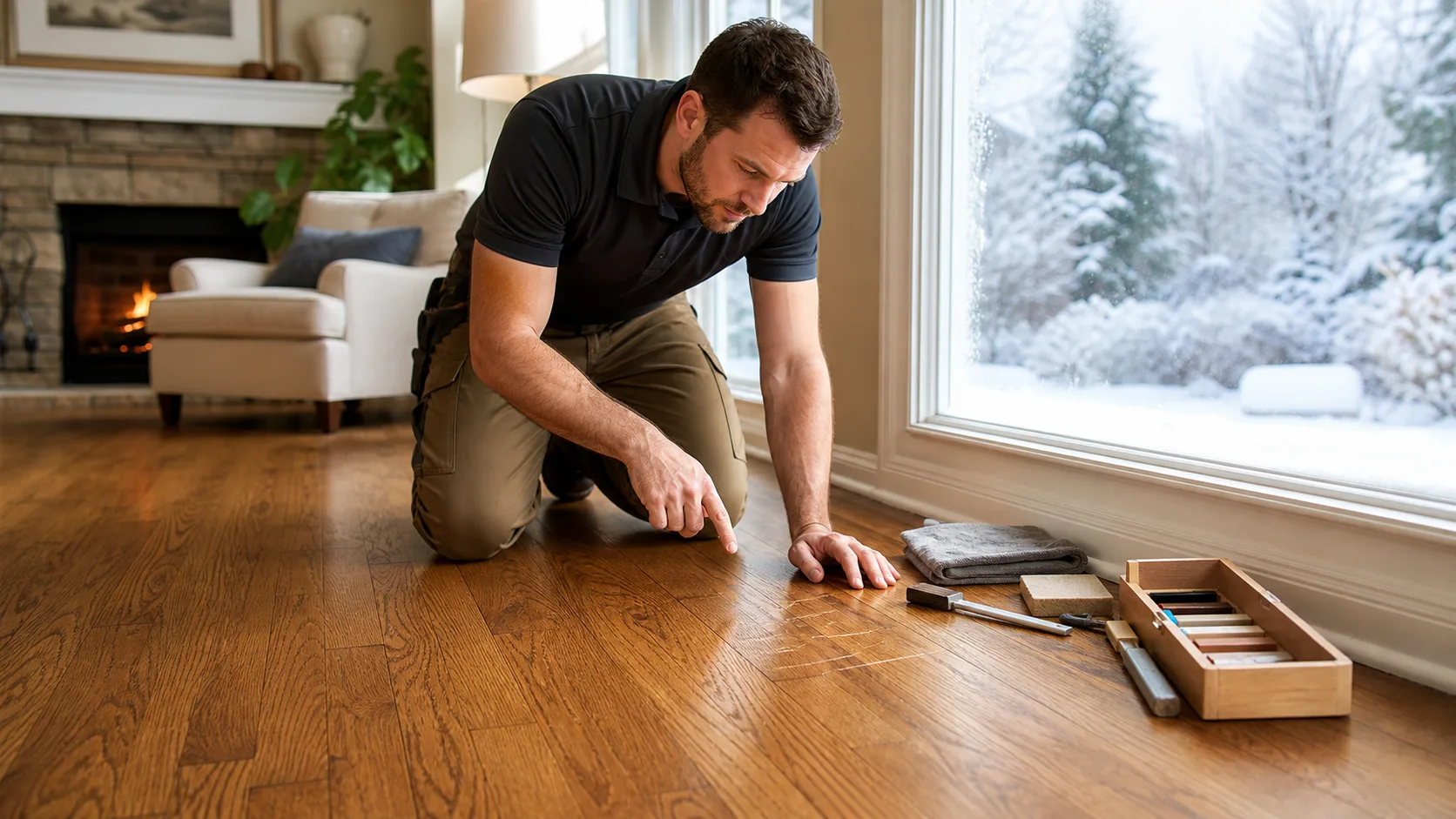
Even the most careful homeowners still end up with a few scratches. Floors are meant to be lived on, and with time, signs of daily wear show up. The way to fix these marks depends on how deep and wide they are.
If the damage is light and hasn’t broken through the finish, there are a few things you can try:
– Use tinted repair pens or pencils designed for hardwood to fill in color.
– Apply a touch-up kit that contains stain and protector for a small area.
– Some people use items like nuts to cover marks, but consistent results are better with products made for wood repair.
For marks that go past the surface or affect larger areas, you’ll need deeper treatments. Medium scratches might need gentle sanding followed by finish reapplication to match the sheen. When damage has spread across areas or shows natural wear, sanding and refinishing can restore a like-new look.
More serious issues like deep gouges near seams, shifting boards, or signs of water damage should be reviewed by a professional. Home fixes may hide these problems but won’t solve what’s really going on underneath. Professionals know how to recognize and fix these spots—whether by refinishing, replacing boards, or other specialized care.
Why Professional Cleaning Of Hardwood Floor Matters
Cleaning does more than improve how clean your hardwood looks. Over time, small dust particles and layers of grime settle in places you can’t easily reach. Mopping or sweeping on your own doesn’t always get it all. Professional cleaning removes that buildup and restores the shine more deeply.
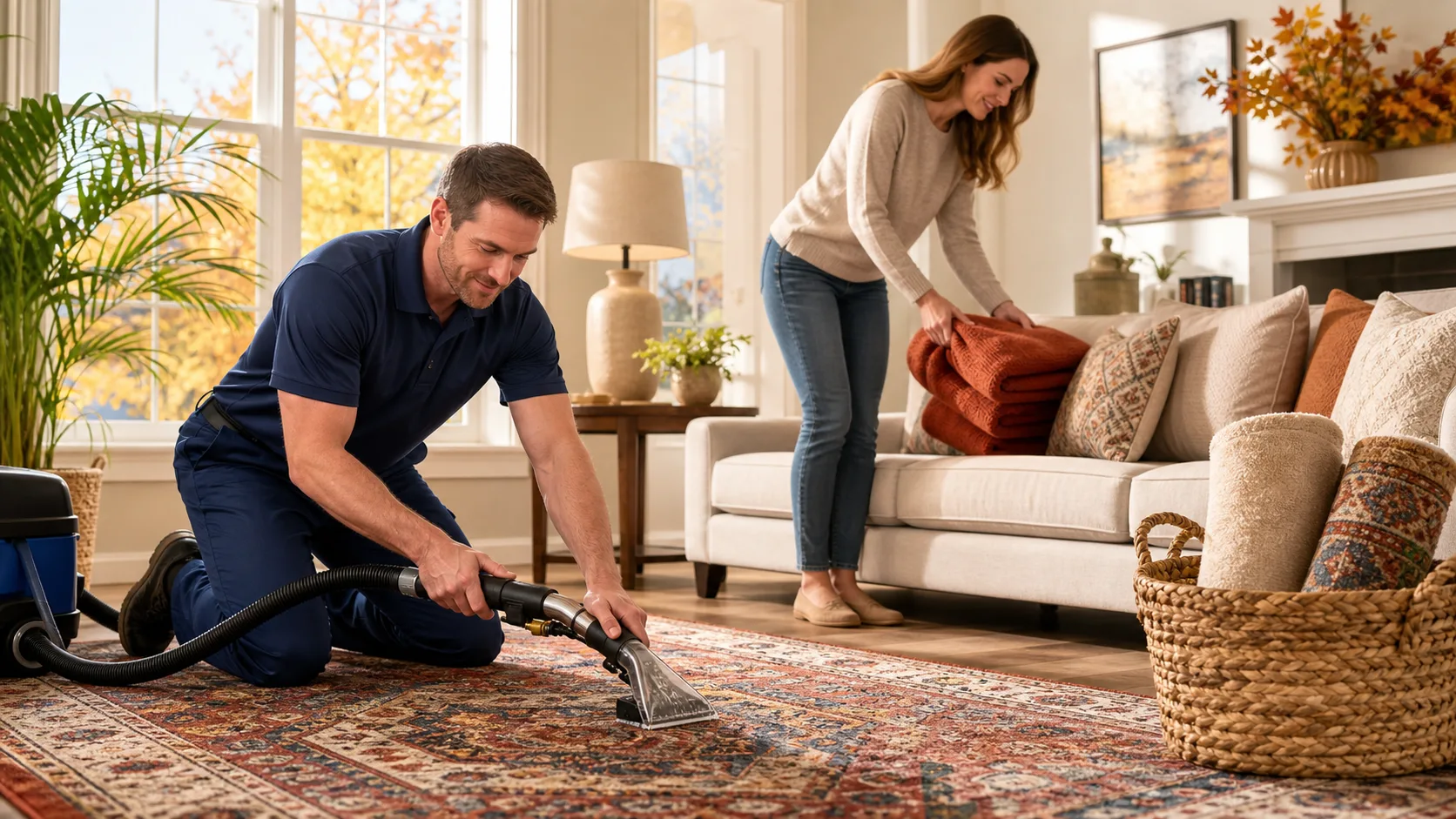
Special products and cleaning machines used by professionals give results most households can’t match. These tools are designed just for wood surfaces, carefully lifting out dirt from between boards and reaching into fine grooves without damaging the finish. They also remove residues left behind from everyday cleaners.
The benefits go beyond clean looks. When layers of grime are removed, it keeps finishes in better shape and protects the wood from damage. It also makes scuffs less likely by clearing grit before it can scratch the floor. Technicians who clean wood floors regularly know how to spot early warning signs of damage. That might be uneven shine, dull spots, or boards that are just starting to shift—all clues that hint at more hidden issues.
Professional hardwood cleaning works best when paired with your usual upkeep. It’s not meant to replace your cleaning routine, but it adds another layer of protection. Think of it as a reset between deeper refinishing cycles—it helps your floor stay better protected, longer.
Keep Your Floors Looking Their Best
It’s impossible to live completely scratch-free, but the goal is to stop a few marks from turning into serious damage. Making small changes like putting soft bottoms on your chairs, staying ahead of pet nail trimming, and cleaning regularly can prevent a lot of problems.
What really matters is having a bigger plan in place. Even the best-maintained hardwood will eventually respond to age and wear. Getting ahead with professional cleaning helps extend the time between bigger repairs. It gives your floor the boost it needs to stay looking smooth and clean.
If you’re a homeowner who wants to protect your investment, stay alert to small scratches, keep daily habits strong, and treat damage early. When deeper problems arise, turning to experts helps bring your hardwood back to life. Floors that are well taken care of remain an asset—and bring beauty to your home year after year.
To keep your hardwood floors looking their best year-round, it helps to stay on top of care with scheduled upkeep and expert support. At Aladdins Carpet Cleaning, we provide tailored solutions that make a difference. Learn how our approach to the professional cleaning of hardwood floor can help protect and restore your floors with lasting results.