Early spring brings longer days, some sunshine, and a lot more mess. That stretch between melting snow and steady warmth is known as mud season for a reason. If you’ve got hardwood floors, you’ve probably been dealing with it already. Wet shoes, dirty paws, and constant back-and-forth track more into the house than you’d expect.
Cleaning routines shift this time of year, especially when it comes to hardwood. Wood doesn’t just need a swipe; how it handles water, dirt, and heavy foot traffic means there’s more at stake. Mud season changes how we clean those floors and how often we have to do it. Understanding what’s different now helps us respond before small messes turn into bigger repairs.
Mud season brings its own set of cleaning challenges. As temperatures climb, so does the amount of water, mud, and sand making its way inside. Shoes that once dragged in dry road salt now pull in puddles and soft soil, and pets that spent winter curled up indoors are suddenly running outside and coming back in wet or muddy. These changes catch even the tidiest households off guard and leave floors needing more attention than usual.
Why Mud Season Hits Hardwood Floors Hard
Once the snow starts to melt, it creates the perfect mix of water, soil, and debris. Spring rains only add to the mess. When that lands on hardwood, it doesn’t just sit on the surface; it starts to do damage fast.
- Grit and dirt scratch the finish with every step, especially when it dries and gets ground in.
- Moisture settles around the edges or finds its way into seams, where it can cause warping or loosening boards.
- Wood naturally absorbs water if it’s not sealed tightly, and once that happens, color may change, the surface could lift, or the shape could shift slightly.
Unlike tile or vinyl, hardwood reacts to its environment. A puddle left for five minutes might not seem like a big deal, but repeated exposure adds up fast.
Wood flooring reacts to everyday conditions, but mud season tests its limits. If you notice tiny scratches near the door or a slight dullness in the finish across high-traffic areas, these can often be traced back to dirt and grit brought in during this wet stretch of the year. Moisture does not have to puddle to cause problems. Even a damp spot that dries slowly in a corner can start lifting the grain or make boards shift out of place. The cycle of wet and dry leaves marks that, if ignored, will become harder to fix over time.
What Cleaning Hardwood Floors Looks Like Right Now
Once mud season kicks in, the way we clean hardwood has to change. What worked during the dry weather won’t be enough now. The messes are different, and they show up more often.
- Entryways and halls see the most soil buildup and need cleaning more often, sometimes more than once a day.
- Cleaning shifts toward prevention: using soft mops, not dragging dirt around, and drying water spots fast.
- The typical types of grime now include spots where muddy prints dried in place, water marks near baseboards, and patches of dusty grit tracked across living areas.
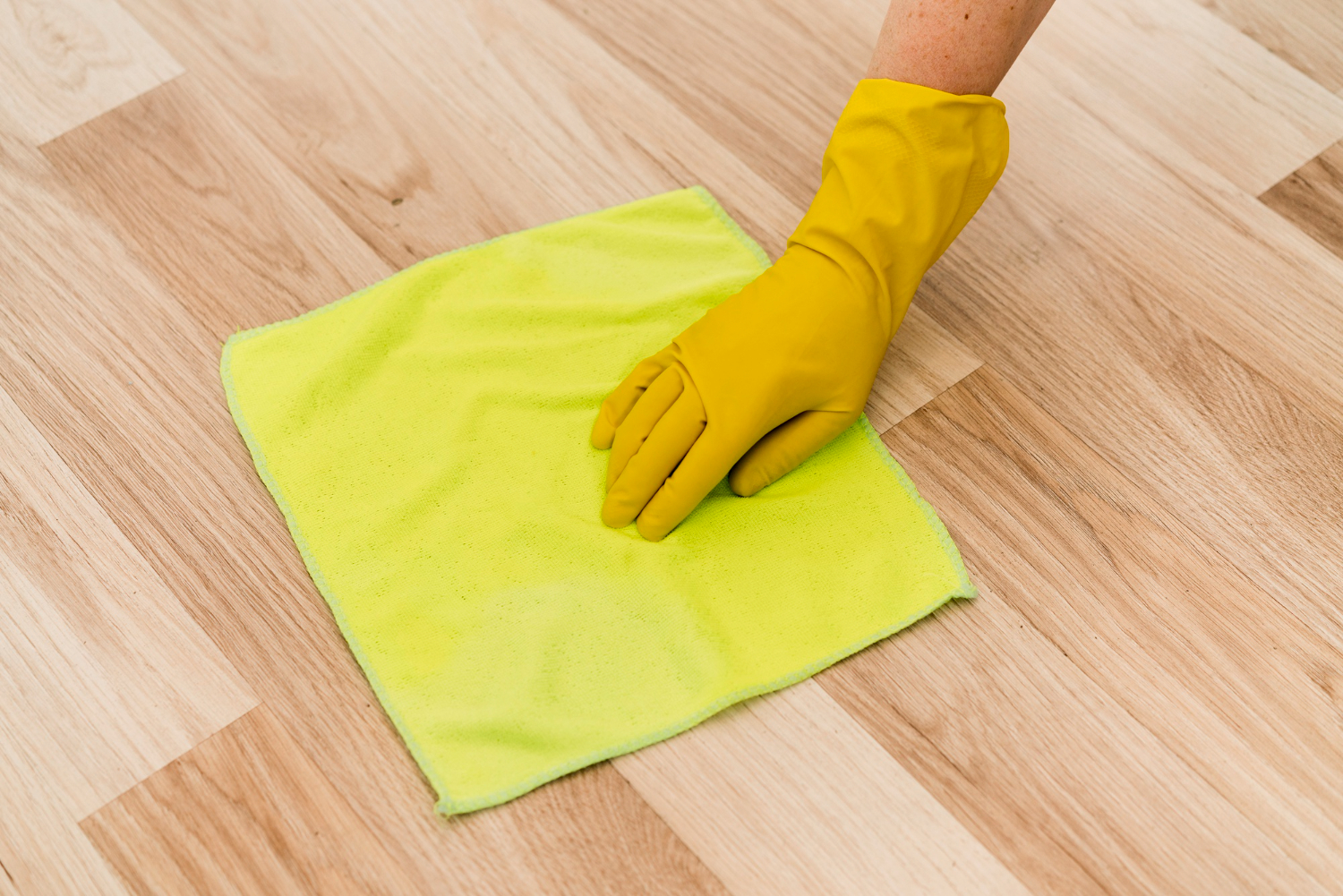
We also pay more attention to the products we use. Anything too strong can damage the floor’s finish, especially if used more often. We lean toward gentle methods with microfiber materials and neutral cleaners that respect the surface.
Regular cleaning takes on real importance this season. Adjusting routines to fit more frequent messes can save floors in the long run. It may mean doing a quick clean every time shoes track in water, or drying paw prints as soon as they appear. Being quick to wipe away damp spots and avoiding harsh chemicals keeps wood from wearing down before its time. Even a consistent, gentle sweep at the end of the day makes a difference when repeated exposure is the problem.
Trouble Spots That Show Up Fast in Spring
Some areas always take the brunt of the season. Entry points, where wet shoes or paws come through, are the first to show strain. It starts small, but signs pop up quickly.
- Front doors or garage entries can show fine scratches or clouding where dirt wasn’t wiped up in time.
- Pet areas near food or water bowls may have damp corners or soft spots if moisture sticks around.
- Discoloration often forms along the edges of rugs or runners where moisture gets trapped underneath.
These aren’t just visual problems. Small signs like warping, dull patches, or edges pulling away from the wall can signal deeper damage coming soon. The earlier we spot them, the simpler the fixes tend to be.
Trouble spots deserve a special look every couple of days. Pay close attention to the seams where boards meet, as this is where moisture loves to settle. Corners, too, are easy to overlook but often trap grit that settles out of sight until it starts scratching the wood. Areas under rugs or mats, which might seem protected, can hide stains or cloudiness from moisture that lingers after muddy feet or wet shoes pass through. By checking these spots often, you catch issues before they grow into expensive or stubborn problems.
Why Timing Matters with Hardwood Floor Cleaning
Mud season doesn’t last forever, but the effects can drag on if we’re not careful. Dirt and water don’t just disappear on their own; they settle into boards and stay. By the time spring is in full swing, the damage might already be done underfoot.
- Letting grime sit gives it time to sink into finishes and cause staining that’s much harder to remove.
- Spring weather brings a lot of humidity shifts, which pulls and pushes on wood surfaces. Dampness now can turn into lasting warps later.
- Regular cleaning in this window gives wood floors a better chance to hold their shape, keep their shine, and avoid deeper wear.
We try to clean based on what’s happening outside. When it’s raining or muddy often, floors need extra time and attention right away, not at the end of the week.
Staying on top of wood floor cleaning during mud season doesn’t just protect the look of the floor; it safeguards the structure. Quick attention to messes while the weather is tricky gives the boards a break, letting them dry properly and keeping the surface strong. As humidity jumps up and down this season, it pays to wipe up wet spots fast and not skip the routine clean, no matter how tired you might be after a long day of spring chores.
A Cleaner Way Into Spring
Mud season makes itself known fast. Even in a single afternoon, those layers of dirt, water drops, and dry grit show up across wood floors, and they don’t leave quietly. Regular hard floor care shifts when the season changes, and ignoring the patterns of mud season means the damage can sneak in before you notice.
By sticking to thoughtful routines and watching for early signs of trouble, we give our floors a longer life and a cleaner look heading into warmer months. Spring can still feel fresh inside, but only if we stay ahead before the moisture settles in too deep.
The habits you pick up during mud season pay off well into summer. Staying alert to signs of wear and adding a few extra minutes to your regular routine can help your hardwood weather more than just muddy boots. The result is a longer-lasting floor and a home that feels clean even after the muddiest spring day.
Mud season can take a toll on wood floors, with grit, water spots, and other debris causing damage faster than many realize. Staying on top of daily care, especially near entryways and high-traffic areas, makes all the difference. When regular upkeep isn’t enough and buildup or damage sets in, our hardwood floor cleaning service restores your floors to a clean and safe state. Let Aladdins Carpet Cleaning handle it before the problem gets worse.